Research

We find the building blocks of physical systems so models can learn from small and noisy data. Browse our projects by the key ideas running through our work, by the methods we develop, or by scientific application area.

Group the projects by

Full list of papers on Google Scholar

Decomposing complex systems

We break a system into its components, such as species, reactions, or motifs, and learn how they interact. Recombining components lets our models make predictions on systems they were never trained on.

Learning and reducing complex reaction networks

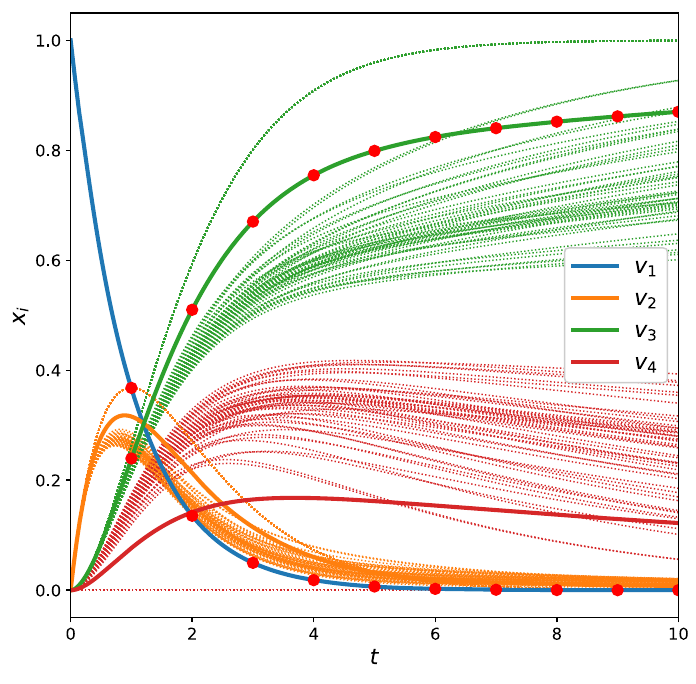
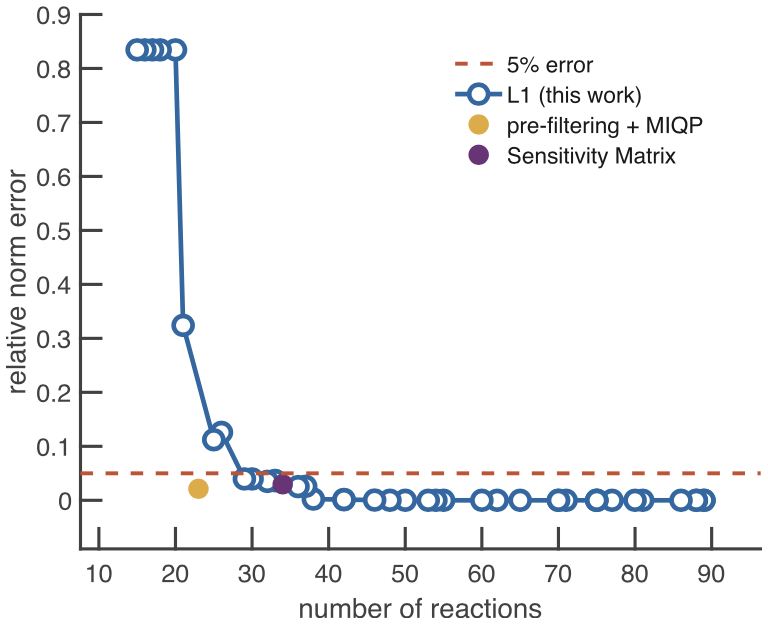
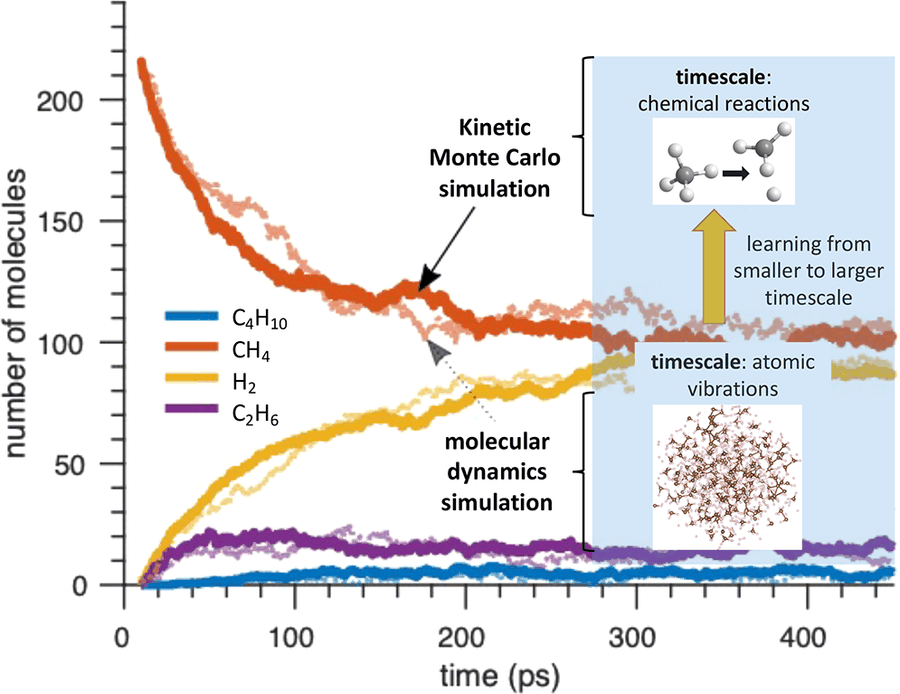
From molecular dynamics simulations, we learn kinetic Monte Carlo models that extrapolate in time and transfer to initial conditions they were not trained on. We use L1 regularization to reduce large reaction networks and other nonlinear dynamical systems to the few reactions or terms that best preserve their behavior. Applications include combustion, energetic materials, and catalysis.

Figure: Clark et al., ACS Central Science (2021), adapted from Chen et al., J. Phys. Chem. A (2019)

Related code from our collaborators

Interpretable graph neural networks for materials

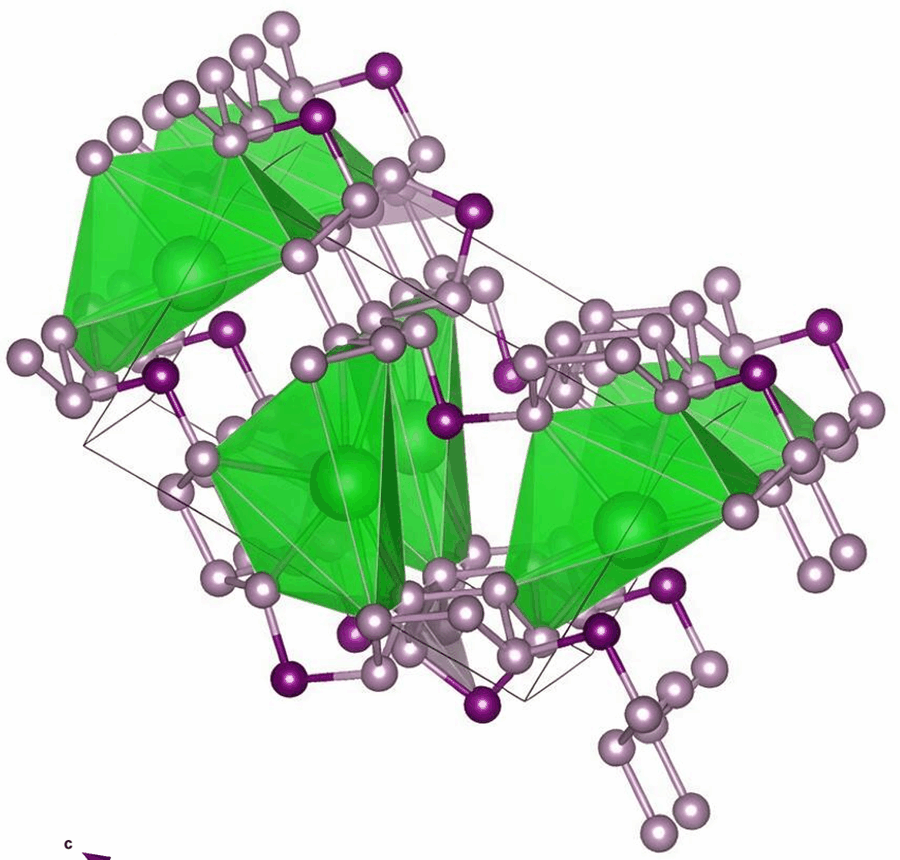
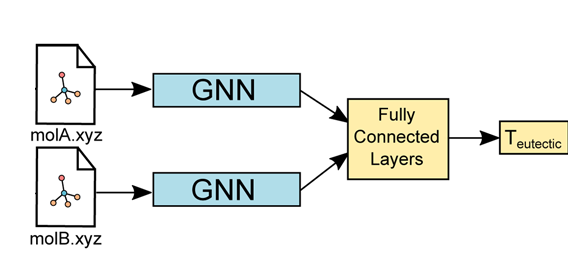
We break mixtures into their components and crystal structures into motifs, and build graph neural networks that learn how these pieces interact. Applications include predicting the melting points of eutectic mixtures and discovering the structural building blocks of Zintl phases.

Figure: BaP₁₀ motif, from Mandal et al., ChemRxiv preprint

Decomposing complex predictions

We break a hard prediction into simpler subproblems. Each subproblem is easier to learn, and their solutions can be recombined to answer more complex questions with very little data.

Hierarchical supervised learning

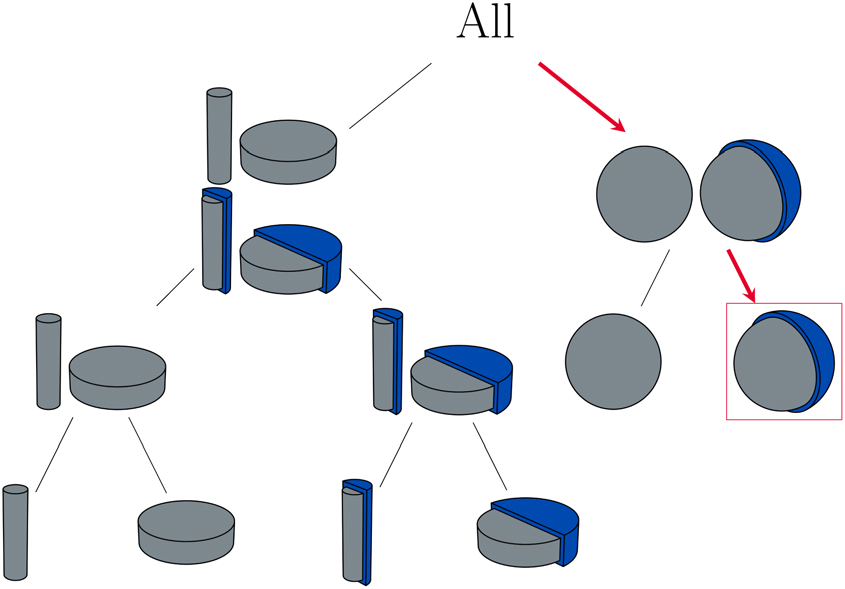
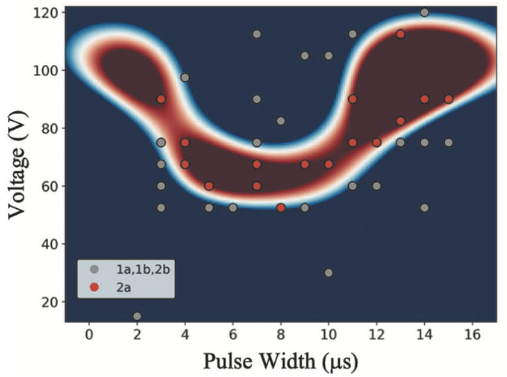
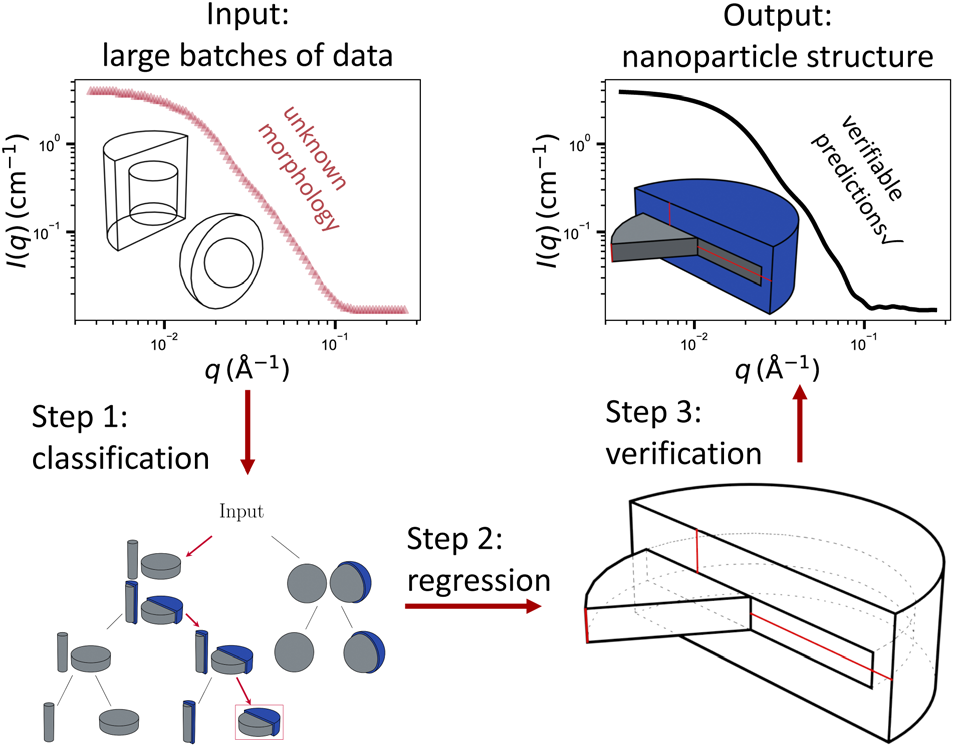
We break a hard prediction into a hierarchical sequence of simpler questions, each easier to learn from small data: from families of particle morphologies in small-angle scattering to variations in printing outcomes for inkjet 3D printing.

Figure: hierarchical classification of nanoparticle shapes, Roberts et al., Digital Discovery (2025)

Change detection for image segmentation

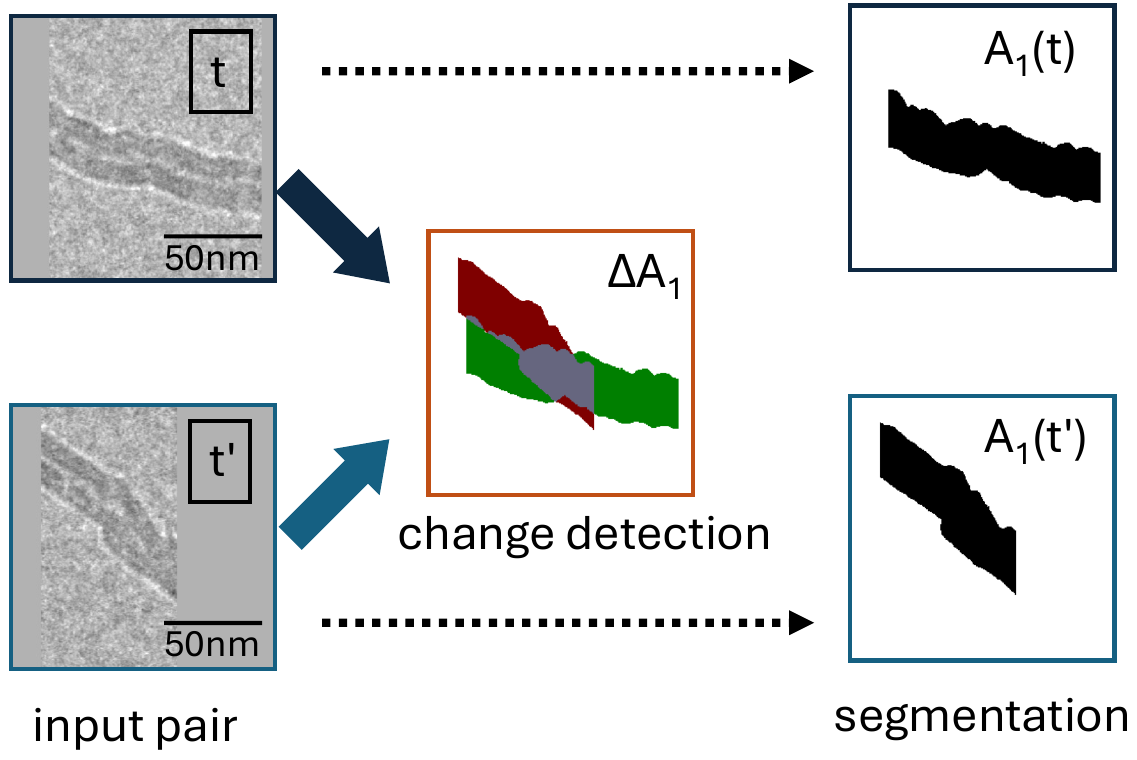
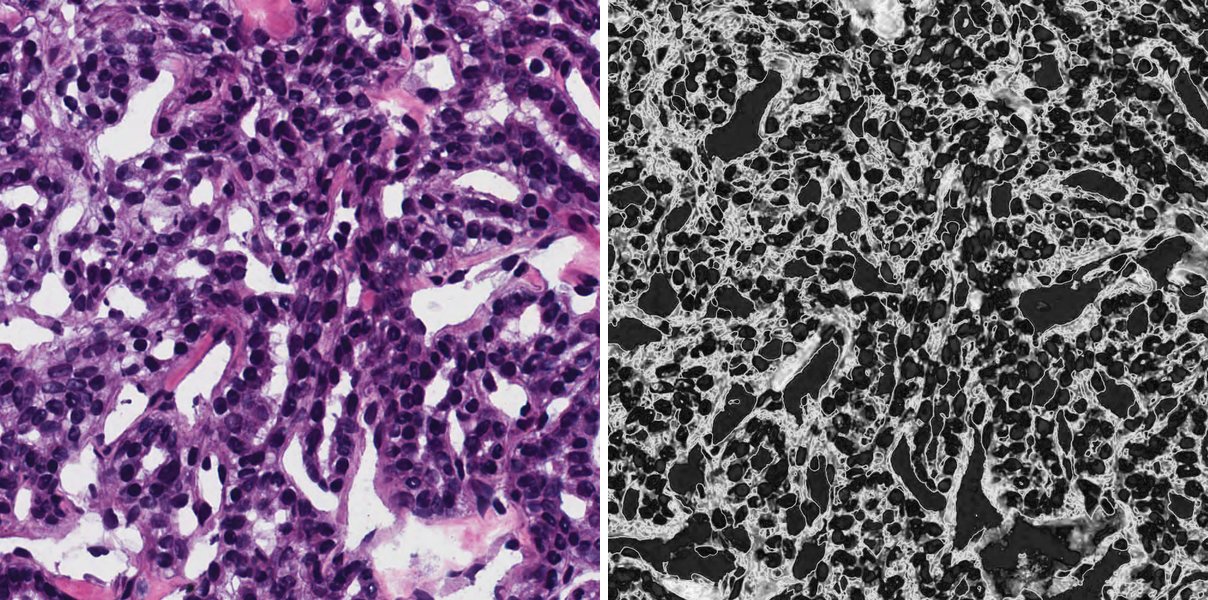
We recast image segmentation as change detection, learning what changes between images across domains, over time, and between fidelities, so that difficult features can be segmented from small labeled datasets. Applications include defect detection for 3D printing, capturing carbon gasification kinetics from operando electron microscopy, and biomedical image segmentation.

Figure: adapted from Niu et al., Digital Discovery (2025)

Knowing when it works

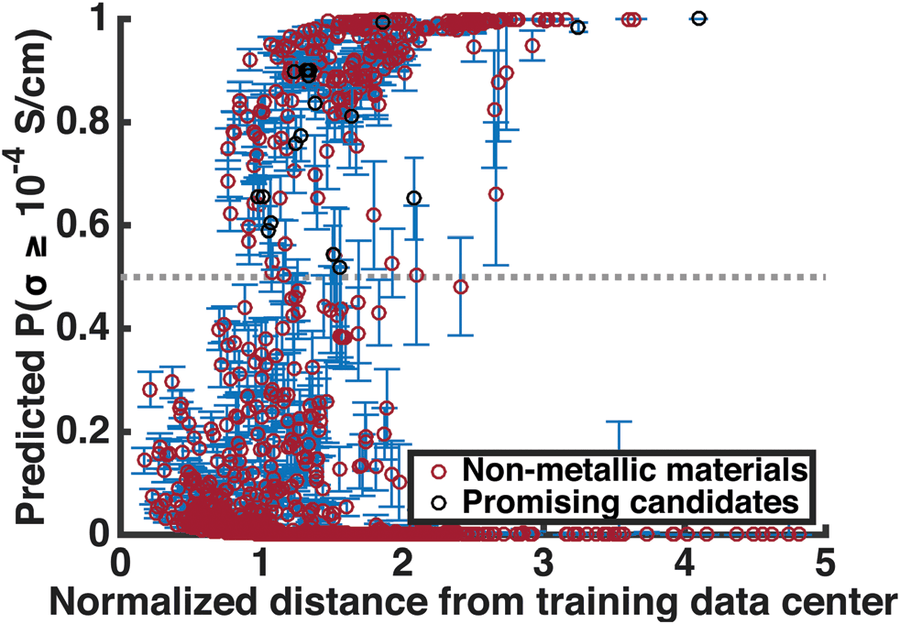
We test how well our models extrapolate and quantify their uncertainty. Our goal is to measure whether the training data covers the building blocks a new case needs, so we can evaluate in advance whether recombination will succeed.

Testing extrapolation

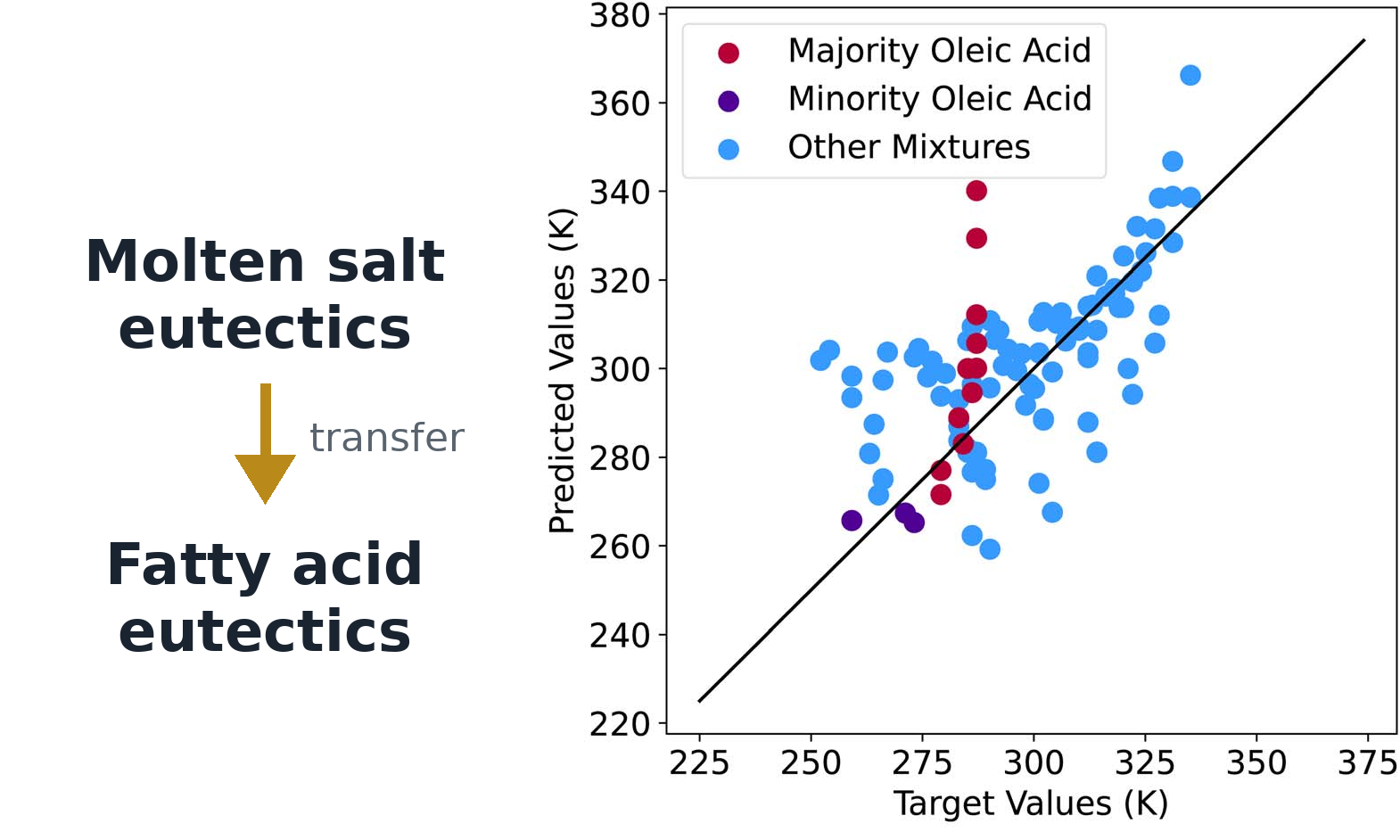
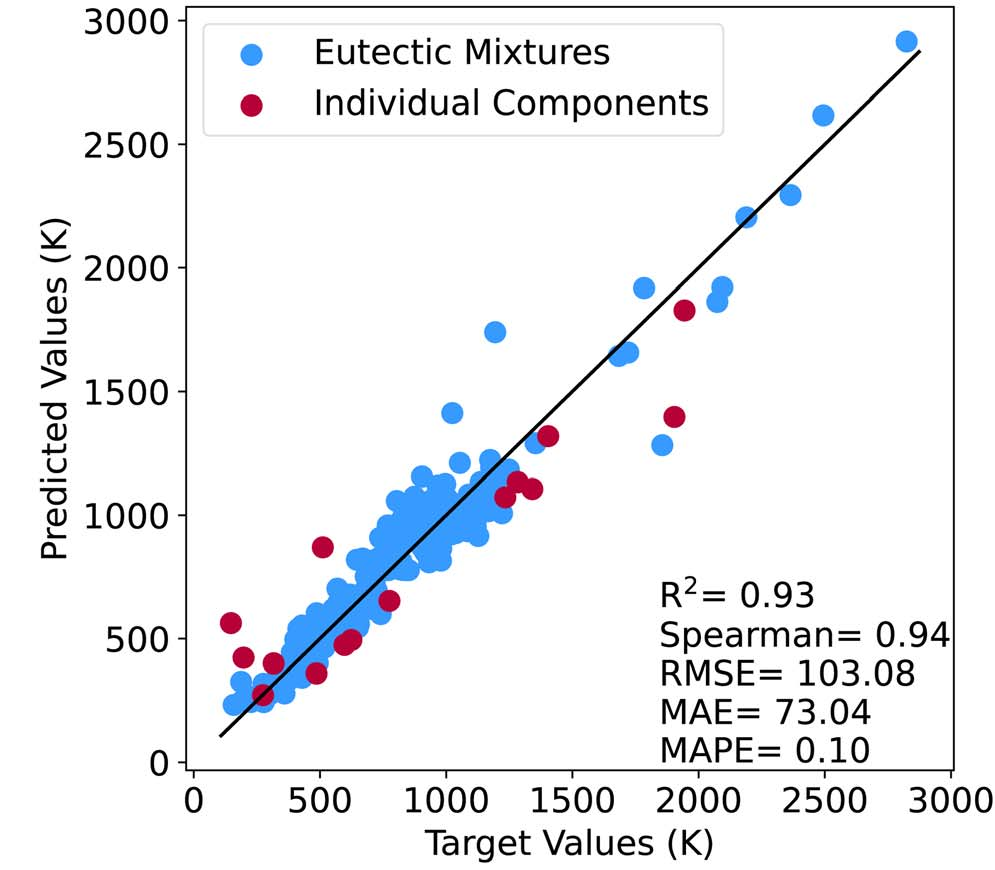
We test how well our models extrapolate and transfer beyond their training data, to candidate materials far from the training set.

Figure: predicted against measured melting temperatures of fatty acid eutectics, after transfer from a model trained on molten salt eutectics; adapted from Mandal et al., Digital Discovery (2026)

Other

See additional projects under Methods and Applications.

Full list of papers on Google Scholar

Collaborators

Our work is built on close collaborations with many computational and experimental scientists across materials science, chemistry and chemical engineering, mechanical engineering, biomedical engineering, and more. Current collaborations include: Avinash Dongare (UConn MSE), Prashun Gorai (Rensselaer Polytechnic Institute), Jasna Jankovic (UConn MSE), Yao Lin (UConn Chemistry), Anson Ma (UConn CBE), Tyler Martin and Kiran Vaddi (NIST), Mu-Ping Nieh (UConn CBE), Carlos Sing-Long (Pontificia Universidad Católica de Chile), Jie Song and Shing-Yun Chang (UMass Chan Medical School), Hongyi Xu (UConn SMAME), Ilya Yakavets and Yimu Zhao (SDL 6 team, Acceleration Consortium, University of Toronto), Xiao-Dong Zhou (UConn C2E2), Yuanyuan Zhu (UConn MSE), and teams at Los Alamos National Laboratory and Oak Ridge National Laboratory.

Support

Our research has been supported by the National Science Foundation, the Department of Energy, the Food and Drug Administration, the U.S. Department of Agriculture, the Air Force Research Laboratory, the Department of Education, the National Telecommunications and Information Administration, NASA through the Connecticut Space Grant, Oak Ridge National Laboratory, and the University of Connecticut.